
Review: The Fantastic Four: First Steps
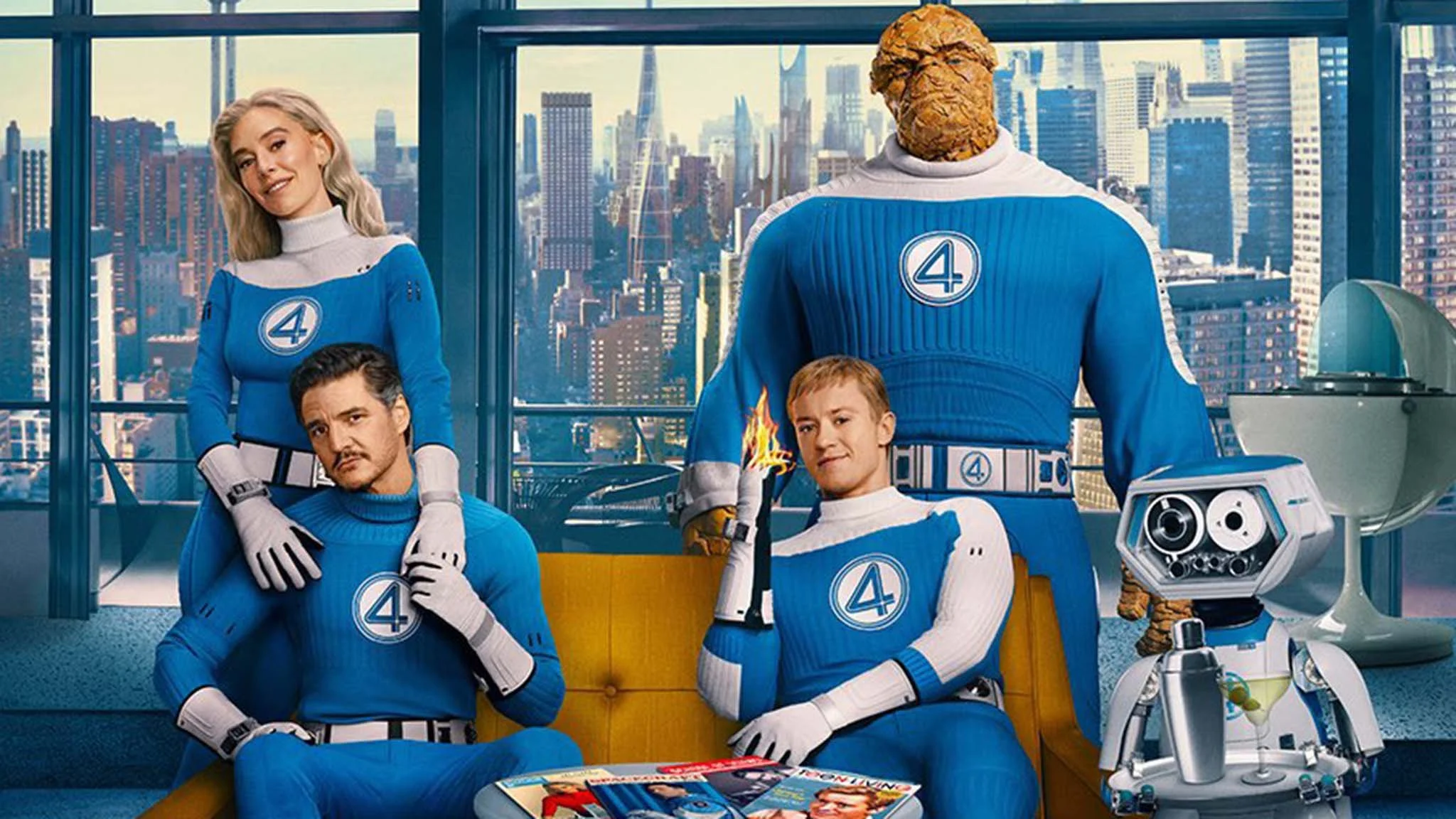
Marvel’s The Fantastic Four: First Steps reintroduces the iconic team with a refreshed sense of purpose — one that leans into character, clarity, and cosmic stakes without drowning in exposition. Rather than retreading tired origin beats, the film trusts the audience to jump in, striking a welcome balance between science-fiction spectacle and emotional intimacy.
From the outset, the worldbuilding feels intentional. This universe is fully realised without demanding constant explanation — a rarity in recent Marvel entries. The score plays its part too, laced with a subtle nostalgia that enhances rather than overwhelms, threading emotion through even the most cosmic of moments.
Johnny Storm emerges as a surprising highlight. No longer relegated to comic relief, this version reframes him as a sharp, capable, and essential character who doesn’t just light up. His scenes with the Silver Surfer are among the film’s most memorable.
Meanwhile, Pedro Pascal delivers a sharply tuned performance as Reed Richards. His portrayal captures the character’s defining tension: a man driven to solve every problem, regardless of the emotional cost. Methodical, detached, but never hollow, this Reed is a tragic tactician who works his best to not distance from the people he’s trying to save.
The film also carves space for themes of motherhood and feminine strength, particularly through characters willing to risk everything for those they love. It doesn’t always articulate these themes cleanly, but the intention is felt as a powerful undercurrent, if not a fully realised one.
Still, not every element lands. Ben Grimm is left on the margins. A subplot involving his love interest adds little, lacking the emotional resonance found in previous interpretations. For a character built who struggles with his identity and humanity, this version never quite breaks the surface.
The pacing stumbles slightly as well. Like many of its Marvel predecessors, the film becomes preoccupied with strategising how to fix the central threat, stretching out the tension instead of leaning into the action. The stakes are clear; the follow-through less so.
Thematically, while the film reaches for something deeper — love, sacrifice, legacy — it occasionally falls short in articulation. Other entries in the Marvel canon have explored these emotional threads with greater clarity (Thunderbolts and Doctor Strange in the Multiverse of Madness’ handling of trauma comes to mind). Here, the threads are visible, but loosely woven.
Despite these flaws, The Fantastic Four: First Steps succeeds where it matters most: establishing a world worth returning to.
It’s a confident step forward for Marvel’s first family — grounded, stylish, and emotionally promising. With sharper focus and more room for its quieter characters to breathe, future installments could easily elevate this foundation into something truly exceptional.