
Who decides a flop?
In pop culture, the word “flop” gets thrown around constantly. An album debuts at number one and still gets labelled a failure; another breaks streaming records despite mixed reviews. In the age of social media, success in music no longer rests solely on the songs themselves. Instead, it depends on something far less measurable but far more powerful: fandom.
If you look at key aspects of fandom, it has always been about shared values and defining rituals. These are the things that create a kind of deep emotional closeness between fans and the artists they support. But in the digital age, fandom has evolved into something bigger. Social media has pushed people to think of culture as something almost commodified - something that can be packaged, shared, and made instantly recognisable. And that’s where aesthetics come into play.
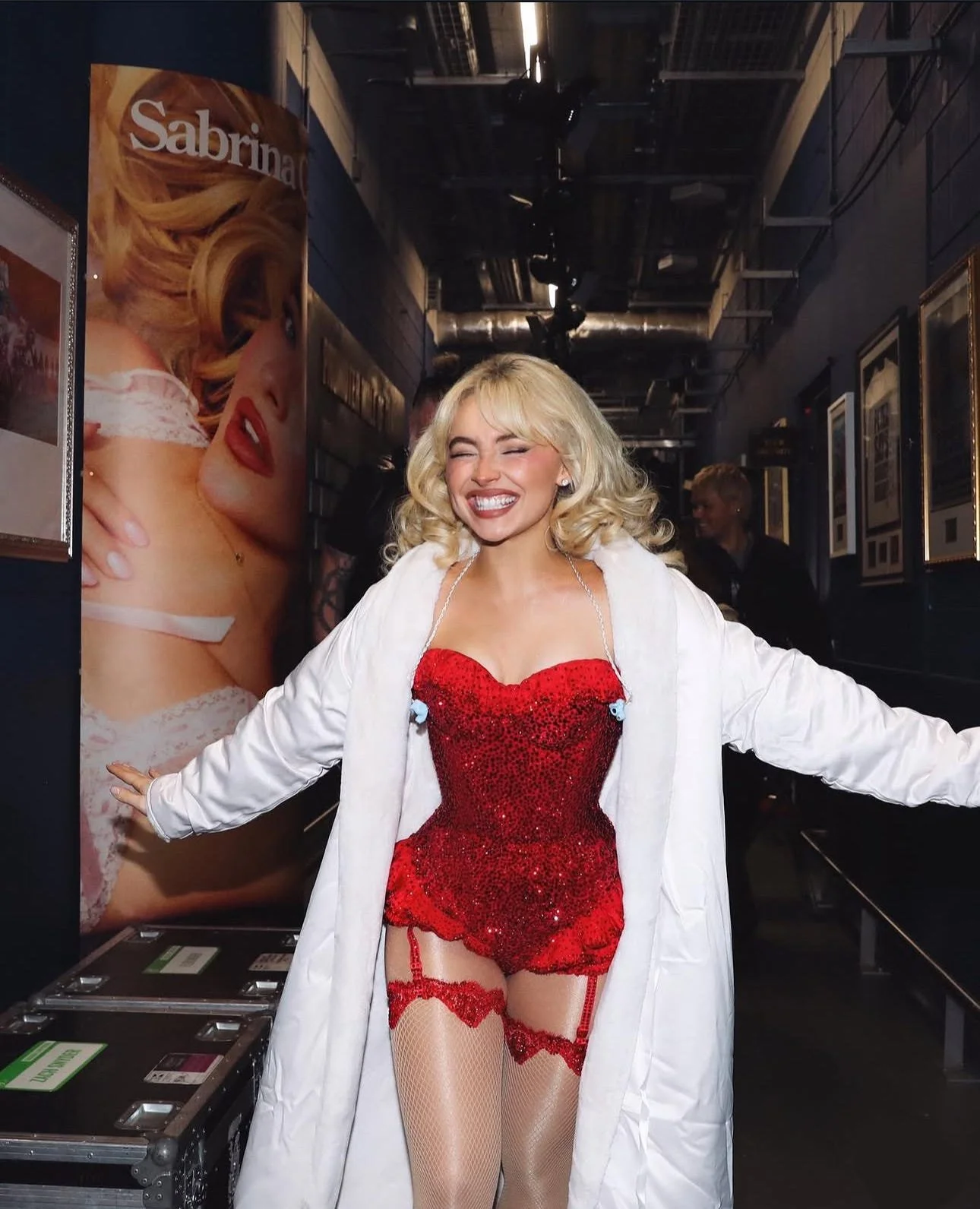
Certain artists have had defining visual eras that cement their fan communities. Halsey’s blue hair during the Tumblr era wasn’t just a hairstyle, it became a symbol of a specific moment in internet culture. More recently, Sabrina Carpenter has leaned into a 1960s pin-up princess aesthetic that feels intentionally curated for the Instagram and TikTok age. These visuals give fans something tangible to hold onto and replicate, whether that’s through edits, outfits, or simply the mood of an era. In other words, fandom today is not just about music; it’s about participating in an aesthetic world.
Beyond aesthetics, fans also feel closeness based on how much access they have to an artist’s personal life. Social media has blurred the line between celebrity and audience in a way that feels almost intimate. Dua Lipa, for instance, has a book club where she shares reading recommendations, while her Instagram photo dumps give fans glimpses into her day-to-day life.
Then there is Taylor Swift, who arguably built an entire fandom culture around narrative and personal disclosure. From her debut album onwards, fans have been invited (whether intentionally or not) to decode her relationships through her lyrics. Every new release sparks speculation: who is this about? Is it about Harry Styles, Joe Alwyn, or Matty Healy? The guessing game itself becomes part of the fan experience. Ironically, when Swift released the storytelling-heavy Folklore, which stepped away from her personal life, it didn’t generate quite the same obsessive decoding from fans, even though many would argue it’s among her strongest work.
And then, of course, there’s the simplest factor: undeniable talent. Some artists don’t need elaborate aesthetics or carefully curated intimacy because their ability speaks for itself. Artists like Ariana Grande, Mariah Carey, and Adele have built loyal fanbases largely on vocal power alone. These are the kinds of performers who don’t necessarily have to try to be relatable or even particularly likeable (I’m looking at you, Mariah). Their skill becomes the centrepiece. Fans stay because the music - or the voice delivering it - feels unmatched.
Taken together, these elements reveal that modern fandom is sustained by three things: aesthetic identity, parasocial intimacy, and artistic talent. Each offers fans a different way to feel connected to an artist. Some fans are drawn in by the visual world of an era. Others feel invested in the artist’s personal narrative. And some simply stay for the music itself.
This complicates the way we talk about success and failure in pop music. The idea of a “flop” often suggests that the music itself wasn’t good enough. But that assumption ignores the role fans play in determining what succeeds. An album can be critically divisive and still dominate charts if the fandom is strong enough to stream, defend, and promote it online.
Artists like Taylor Swift illustrate this perfectly. Even when a release receives mixed reactions, or when critics question its quality, it can still achieve enormous commercial success because the fanbase is deeply invested in the artist and the narrative surrounding the music. At the same time, genuinely strong albums by smaller artists can disappear almost instantly simply because they lack the same level of fan infrastructure.
In that sense, fans are not just passive consumers of music. They are active participants in shaping its success. They stream, analyse, defend, meme, and aestheticise every new era. They create the cultural momentum that determines whether a release becomes a phenomenon or quietly fades away.
This raises a difficult question: when we call something a “flop,” are we actually judging the music itself, or are we really measuring the strength of the fandom behind it? And if popularity depends so heavily on community and narrative, is it even possible to evaluate music objectively anymore? Or are we simply witnessing the power of fandom redefine what success in pop music looks like.