
The Chappell Roan controversy isn’t actually about her
Chappell Roan didn’t start the problem. She just refused to play along.
When Chappell Roan first made headlines for snapping back at photographers on the red carpet, the internet was quick to label her “difficult.” Critics argued that photographers were simply doing their jobs, calling out to get her attention and raising their voices over the chaos.
But that framing misses the point.
A photographer’s job is to take a photo. Yes, that may involve getting a subject’s attention. But there is a difference between direction and disrespect, especially when that subject is already standing under blinding flashes, surrounded on all sides, with nowhere to look and nowhere to go.
Roan’s reaction did not come out of nowhere. It was a response to an environment that has long normalised aggression as part of the process.
At subsequent events, photographers noticeably shifted their tone, asking more politely and engaging more respectfully. And not just with Roan, but with other female artists too. It was not a revolution, but it was a ripple. A small recalibration of what is acceptable.
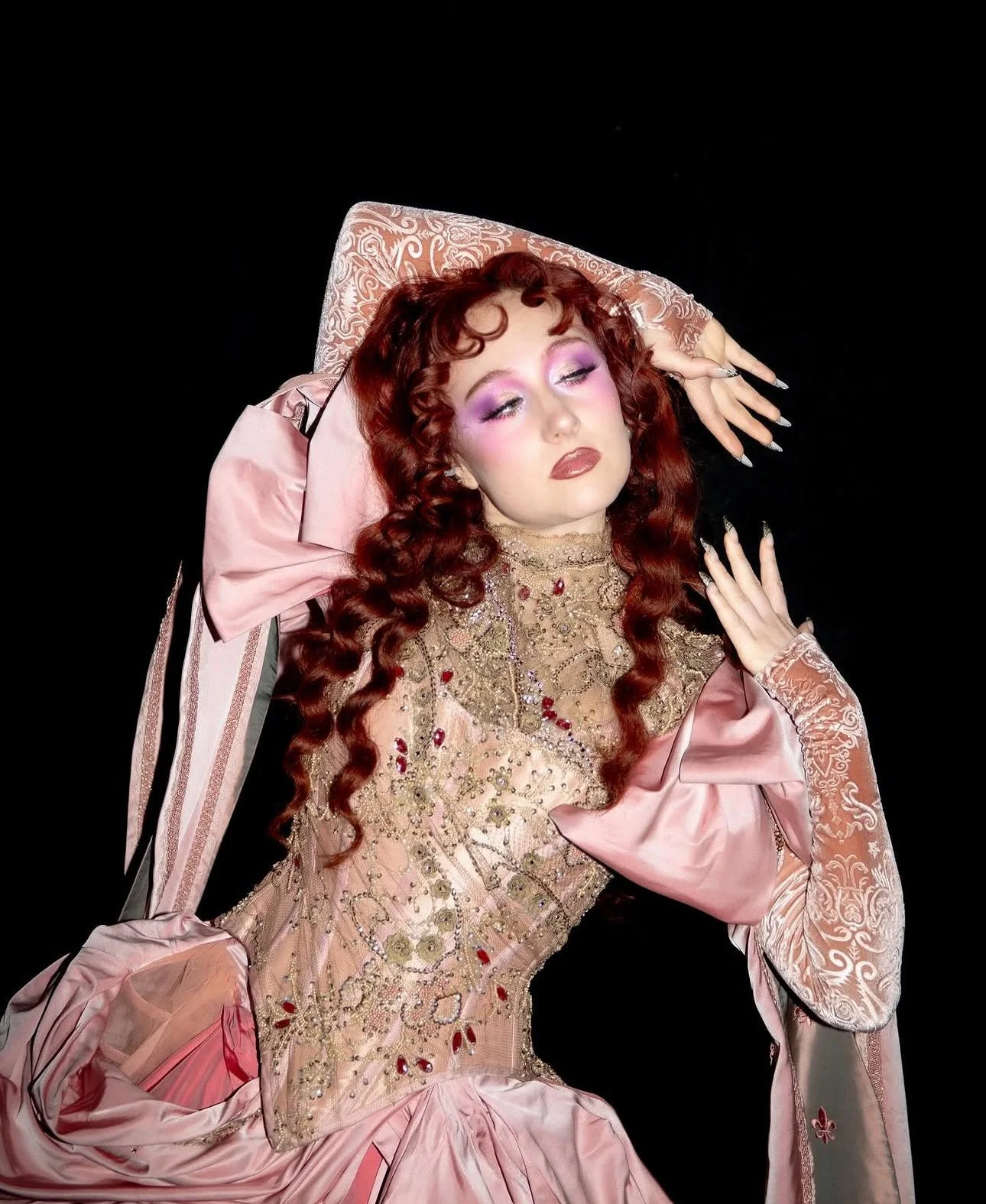
Then came Paris. While heading to dinner, Roan was swarmed by paparazzi. This time, instead of retreating, she turned the camera back on them, filming the crowd that had gathered around her and documenting the very lack of boundaries she has been vocal about.
Again, backlash followed and the argument was simple: You cannot want fame without accepting the chaos that comes with it.
But that logic feels outdated.
Roan consented to being a public figure in specific ways — releasing music, performing on stage, showing up for interviews, and connecting with fans. That is the exchange. What should not be normalised as part of that contract is being treated like a spectacle, like an exhibit to be watched, followed, and cornered.
Because there is a difference between visibility and access.
Chappell Roan is a persona, one built for mass consumption. But Kayleigh Rose Amstutz, the person behind it, is not.
History has shown us what happens when that line is repeatedly ignored.
When Britney Spears was relentlessly pursued by paparazzi during one of the most vulnerable periods of her life, the result was not just tabloid headlines. It was a public unraveling that later fed into the controversial conservatorship that stripped her of autonomy for years.
When Princess Diana was chased by photographers in Paris, it ended in tragedy.
These are extreme examples, but they underline a consistent truth. When boundaries are dismissed as part of the job, the consequences can escalate beyond control.
So when Roan pushes back, she is not creating a new problem. She is responding to an old one.
This brings us to the latest controversy.
Brazilian footballer Jorginho publicly criticised Roan after an incident involving his 11 year old stepdaughter at a hotel. According to his account, a security guard confronted the child, leaving her in tears. Roan later clarified that she was unaware of the situation and that the guard was not part of her team.
This is where the conversation becomes more complicated. While the principle of boundaries remains valid, the application of it raises difficult questions.
Should those boundaries apply equally to everyone, including children whose admiration often comes from a place of innocence rather than intrusion? Or is there room for nuance, for context, for assessing intent?
And if there is, who decides where that line is drawn?
It is easy, from the outside, to suggest that celebrities should simply be nicer, be more flexible, or read the room. But that expectation often ignores the reality of fame, where even small concessions can quickly snowball into loss of control.
Say yes once, and it becomes expected. Say no, and it becomes a headline. There is no version of this where the line is easy to hold.
What we are really asking is for public figures, particularly women, to constantly negotiate their own boundaries in real time, under scrutiny, while being judged regardless of the outcome.
So the question is not just whether Roan was right or wrong.
It is whether we are finally willing to accept that access to someone’s work does not equal access to their life.