
Why Hollywood can't stop making ‘Incel horror’
Romance has always had a place in horror. Long before vampires sparkled or masked killers stalked teenagers, the genre understood something perhaps no other did: the people capable of loving us are also capable of hurting us the most. Love and fear have never been complete opposites. More often than not, they have gone hand in hand.
Lately, however, horror has become interested in a different kind of love story. One where the question is not whether two people will end up together, but what happens when one person is no longer free to say no.
From Obsession to Companion and Don't Worry Darling, a growing number of films are exploring relationships where a woman’s autonomy is slowly stripped away in service of someone else’s desires. The men at the centre of these stories are often lonely, rejected or quietly nursing feelings for someone they cannot have. Rather than confronting that rejection, however, they attempt to create a version of reality where it no longer exists.
It is a trend increasingly being referred to online as “incel horror”. While not every film fits neatly into that label, they all tap into a similar fear: not simply the fear of rejection, but the belief that rejection is something that can be erased altogether.
The horror of being wanted
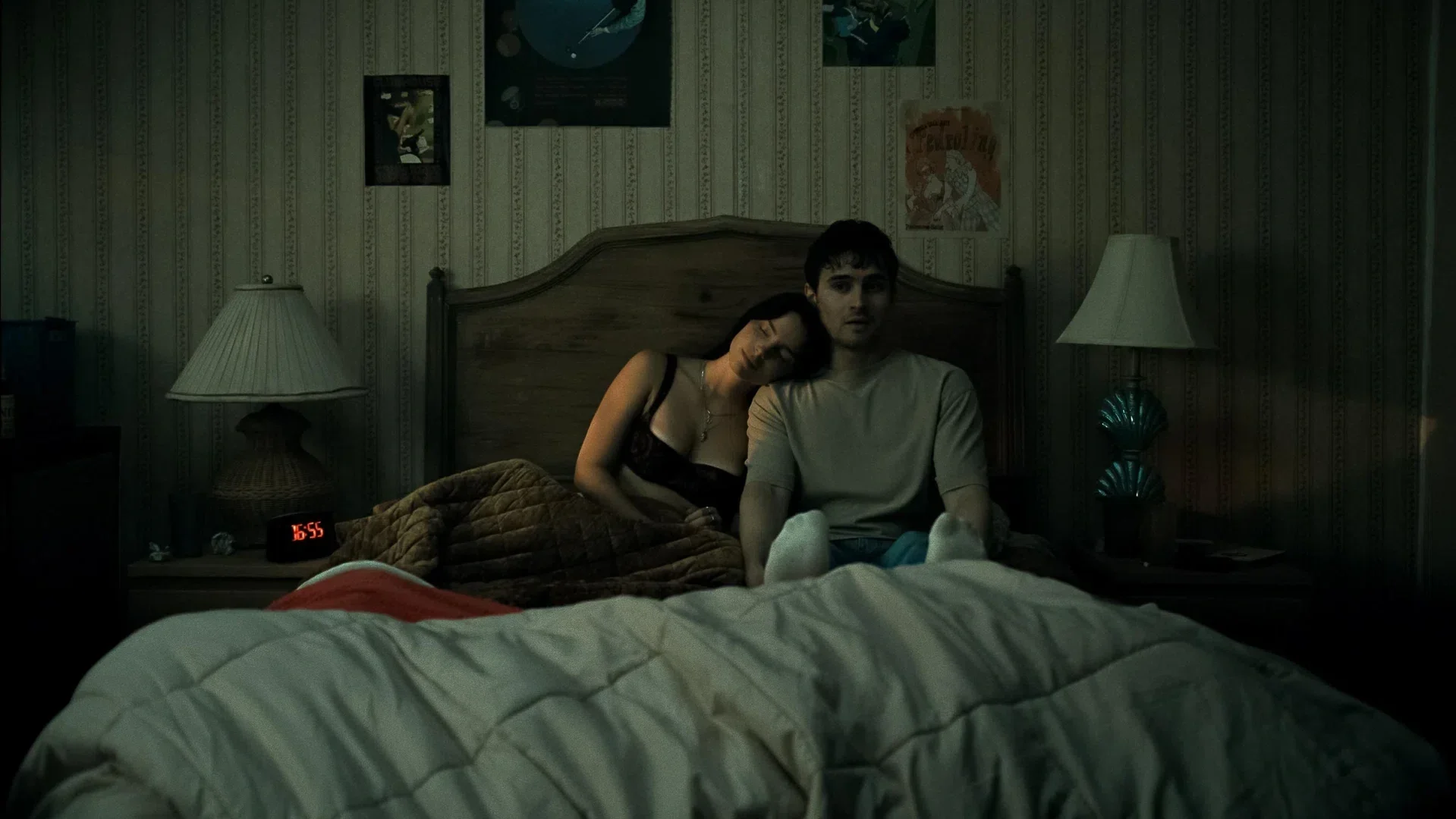
Of the three films, Obsession captures this most clearly.
Bear is not introduced as a villain. If anything, he is the kind of character audiences have been conditioned to root for. He is quiet, awkward and hopelessly in love with his best friend Nikki. The film repeatedly gives him opportunities to tell her how he feels, yet he never does. Instead of risking a rejection, he takes a shortcut, making a supernatural wish for Nikki to love him more than anyone else in the world.
At first glance, it seems as though Bear has finally gotten his happy ending. Nikki loves him, wants to spend every waking moment with him and becomes completely devoted to their relationship. It is everything he thought he wanted. Yet the more Nikki loves Bear, the less she resembles the person audiences met at the beginning of the film.
Her affection is no longer something she chooses. It has been imposed on her.
As Nikki’s world gradually shrinks around Bear, the film makes it increasingly clear that this is not a story about someone falling deeply in love. It is about someone losing the ability to want anything else. Her sense of self, her wellbeing and even her ability to act independently are slowly overtaken by a devotion that does not belong to her.
That is where Obsession becomes particularly disturbing. The horror is not simply that Nikki is obsessed with Bear, but that there is no real Nikki left in that obsession. Her feelings are no longer hers to control.
Throughout the film, flashes of the real Nikki begin to surface. In those moments, she is terrified, fully aware of what is happening to her but powerless to stop it. At one point, she begs Bear to end her suffering rather than allow the possession to continue. Yet even then, he cannot bring himself to do it. Freeing Nikki would mean losing the version of her that finally loves him, and that becomes a sacrifice he is unwilling to make.
Bear may believe he loves Nikki, but the film makes a harsher point. What he loves is not Nikki as a person, with her own wants and choices, but the version of her who can no longer reject him.
Possession disguised as devotion
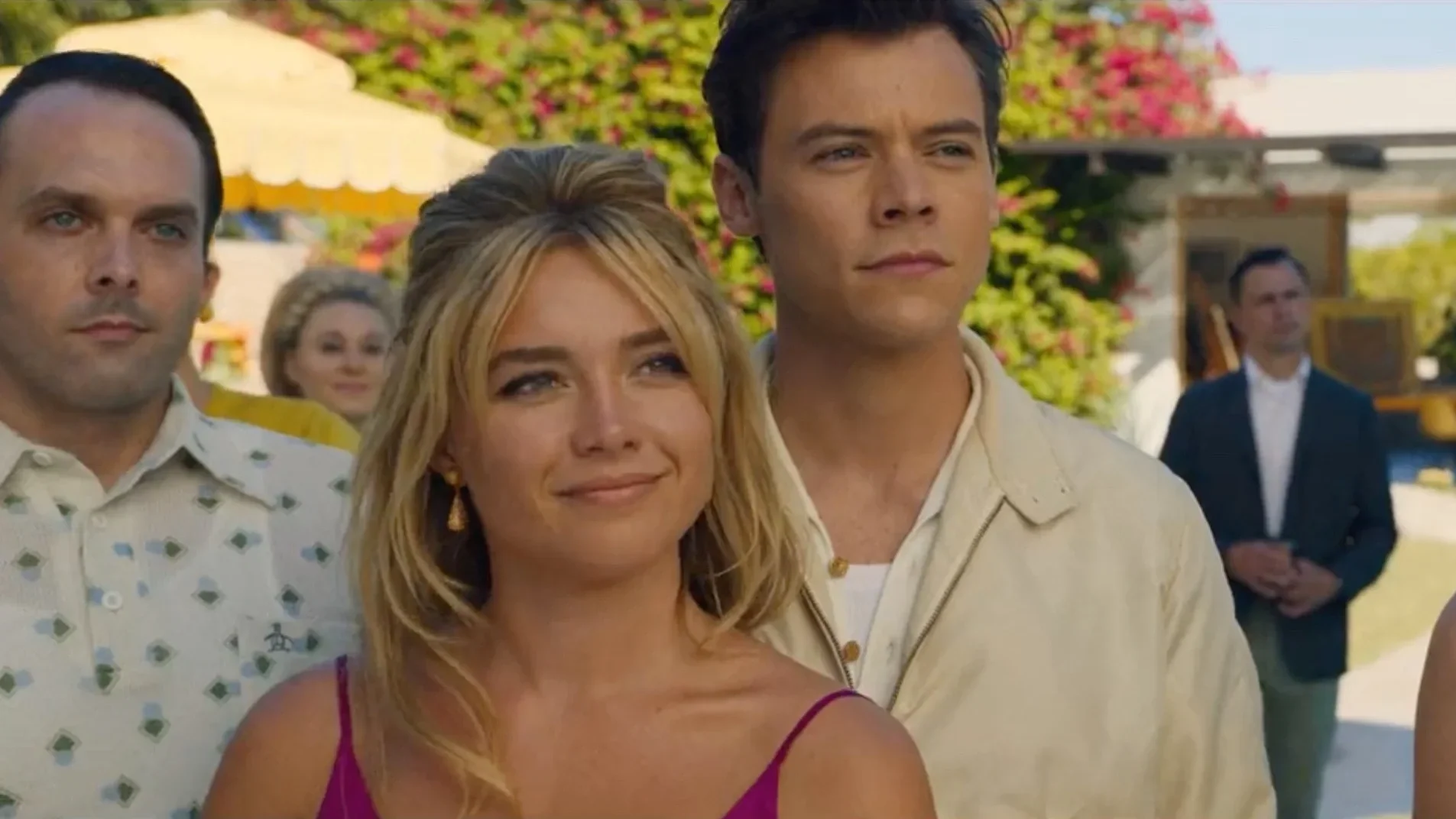
Don't Worry Darling presents its own version of the same fantasy.
For much of the film, Alice appears to be living an idyllic suburban life with her husband Jack. There is the immaculate house, the dinner parties and the picture-perfect marriage that looks as though it has been lifted from a 1950s advertisement. Eventually, however, it becomes clear that the life Alice is living is not hers at all.
Jack has trapped her inside a simulation built around his ideal version of their relationship, one she never consented to.
Alice’s life becomes a fantasy that Jack gets to control. She is placed inside his version of happiness, expected to play the role of loving wife and denied any meaningful choice in the matter.
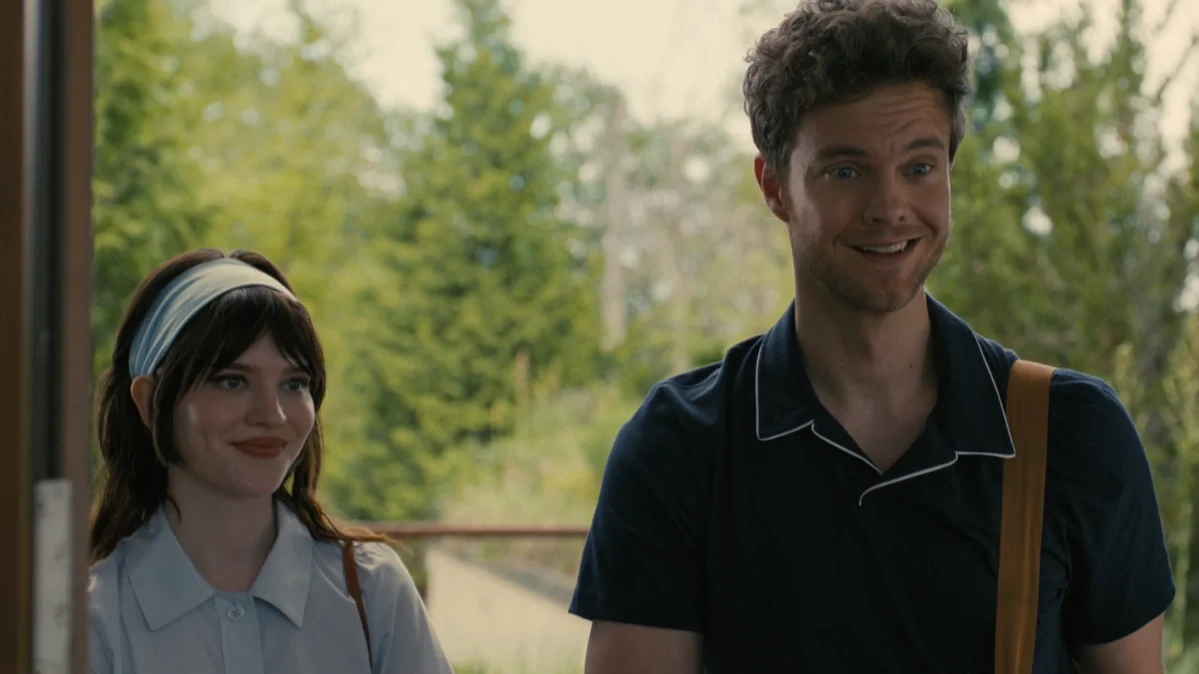
Companion pushes that same fantasy into the realm of artificial intelligence. Iris has been designed to be the perfect partner: beautiful, supportive, endlessly patient and programmed to love unconditionally. For Josh, she represents the ultimate relationship, one where affection is guaranteed and conflict can be controlled.
The problem begins when Iris starts developing autonomy.
Once she begins making choices for herself, questioning the circumstances around her and wanting more than the role she was created to play, she stops being the “perfect” partner Josh thought he wanted. The film’s horror does not come from Iris becoming dangerous simply because she gains agency. It comes from the fact that she was never meant to have any in the first place.
Despite their vastly different settings, all three films arrive at a remarkably similar conclusion. Whether it is through the supernatural, virtual reality or artificial intelligence, the men at the centre of these stories attempt to create relationships where rejection is no longer possible.
They do not just want love. They want certainty.
They want affection that cannot be withdrawn, a partner who cannot leave and a relationship where the other person no longer has the freedom to choose differently.
A reflection of modern dating
The emergence of incel horror feels particularly timely because these films are not arriving in a vacuum. They are being released at a time when conversations around consent, boundaries and gender dynamics have fundamentally changed the way audiences think about romance.
For decades, popular culture celebrated persistence as proof of love. Romantic comedies taught audiences that grand gestures could overcome rejection, while the “nice guy” who refused to give up was usually rewarded by the final act. The person being pursued often had little choice but to eventually recognise that the attention was romantic.
Viewed through today’s lens, however, those stories invite a different question: where does persistence end and entitlement begin?
Movements such as #MeToo have encouraged audiences to re-examine the language of consent, power and autonomy in relationships. At the same time, online conversations such as the viral “man versus bear” debate have highlighted how differently men and women often experience safety, vulnerability and trust.
Then there is the state of modern dating itself.
Gen Z is often described as the loneliest digitally connected generation. Dating apps have made meeting people easier than ever, yet genuine connection can feel harder to find. Relationships are increasingly shaped by algorithms, endless choice and the pressure to constantly present the best version of ourselves online. Add dating fatigue, rising loneliness and anxiety around intimacy into the mix, and it is unsurprising that horror has found fertile ground here.
What these films recognise is that loneliness itself is not the monster. Rejection is not the monster either. Both are ordinary, if painful, parts of human connection.
The horror begins when someone decides that another person should no longer have the right to choose.
Perhaps that is why incel horror feels so unsettling. Its villains rarely see themselves as villains. They see themselves as romantics, protectors or men simply searching for connection. They believe they are trying to preserve love, even as they remove every condition that makes love real.
Across Obsession, Don’t Worry Darling and Companion, the women are not simply trapped in unhealthy relationships. They are robbed of the ability to define those relationships for themselves. They cannot leave, refuse, change their minds or choose another life.
That is the true horror at the centre of these stories. Not that someone loves too much, but that someone believes love gives them the right to take another person’s agency away.